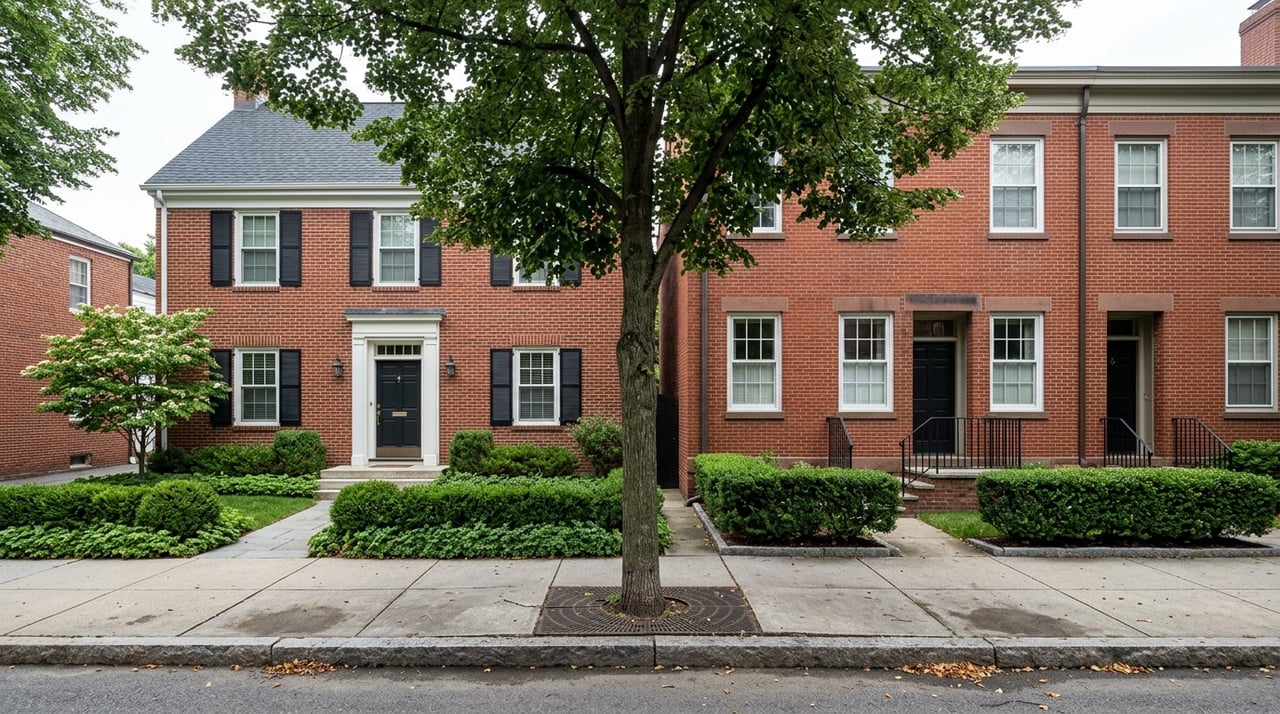
If you are deciding between a single-family home and a townhome in Bethesda, you are not alone. In a market where space, convenience, and monthly costs can vary widely, the right choice often comes down to how you want to live day to day. This guide will help you compare privacy, maintenance, outdoor space, walkability, and budget so you can choose with more confidence. Let’s dive in.
Bethesda housing costs
Bethesda buyers are making decisions in a high-cost market, so it helps to start with the numbers. According to Redfin’s Bethesda housing market data, the median sale price in Bethesda was $1.505 million in February 2026, homes received 3 offers on average, and the median time on market was 43 days.
There is also a meaningful price gap between detached and attached housing. Montgomery Planning’s 2024 countywide data showed average values of $800,806 for single-family detached homes and $499,998 for townhomes, which reflects the common tradeoff between more land and lower-maintenance attached living in this part of the county.
In practical terms, your choice should not rest on sticker price alone. You will want to compare your full monthly carrying cost, including mortgage, taxes, insurance, upkeep, and any HOA dues, before deciding which property type fits your budget best.
Single-family home benefits
A single-family home usually gives you the most control over your property. The National Association of Realtors explains that these homes are self-contained properties with no shared land, walls, or spaces, and owners are responsible for upkeep, zoning compliance, costs, and taxes.
For many Bethesda buyers, that translates into more privacy and more flexibility. You may have more room for storage, entertaining, hobbies, or working from home, along with private outdoor space that you can use and maintain as you choose.
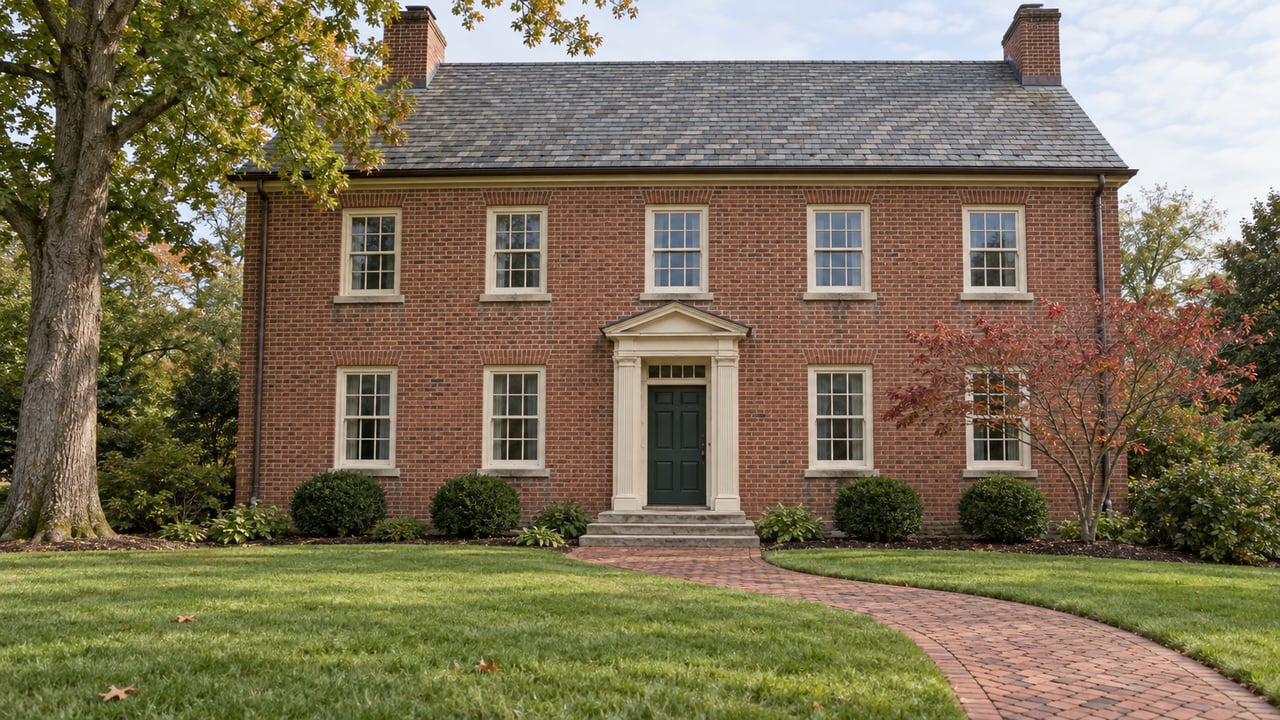
This option often appeals to move-up buyers who want more interior space, a private yard, and fewer shared-wall considerations. If your long-term goal is autonomy and room to spread out, a detached home may line up more closely with your priorities.
What to expect with upkeep
More space usually comes with more responsibility. With a single-family home, you should plan for landscaping, exterior repairs, seasonal maintenance, and other property-related costs that an HOA might handle in a townhome setting.
That does not make detached living better or worse. It simply means you are trading convenience for control, and that trade can be worth it if privacy and customization matter most to you.
Townhome advantages
Townhomes often appeal to buyers who want a smaller exterior maintenance load without leaving Bethesda. The National Association of Realtors’ HOA guidance notes that HOAs often cover landscaping and common-area upkeep, which can reduce the amount of day-to-day property work on your list.
In Bethesda, the townhome choice can be especially compelling because of the price difference relative to detached homes. The research also points to current townhome examples with multi-level layouts, garage parking, and HOA dues around $210 to $300 per month, with some communities including yard services through the HOA.
For buyers who value convenience, that can be a strong trade. You may get a well-located home with a manageable footprint, lower exterior maintenance demands, and easier access to the places you use most often.
What to review before you buy
If you are considering a townhome, it is smart to look closely at the HOA. NAR recommends reviewing financial statements, reserve funding, and any history of special assessments, while the CFPB advises buyers to budget for HOA fees alongside regular home maintenance and repairs.
A lower-maintenance lifestyle can be very attractive, but you will want to understand exactly what the dues cover. That helps you compare a townhome fairly against a detached home where those costs may show up in different ways.
Outdoor space in Bethesda
Many buyers assume a single-family home is the only path to outdoor living, but Bethesda offers more than private backyards. According to Montgomery Planning’s Bethesda-Chevy Chase community information, the area includes parks such as Norwood Local Park, Meadowbrook Local Park, and North Chevy Chase Local Park.
The area also benefits from strong everyday park access. Trust for Public Land reports that 88% of Bethesda residents live within a 10-minute walk of a park, which changes the way many buyers think about private yard space versus shared public amenities.
This is where your lifestyle matters most. If you want direct control over a yard for gardening, entertaining, or simply having your own outdoor area, a single-family home may be the better fit. If you would rather have less private outdoor space in exchange for easier access to parks and trails, a townhome may feel like the smarter choice.
Trails and active living
Bethesda also offers strong trail access for buyers who like to walk, bike, or stay connected to nearby destinations without always driving. Montgomery Parks notes that the Capital Crescent Trail is an off-road shared-use path running from Georgetown through Bethesda to Silver Spring.
Montgomery County is also extending bike and pedestrian connections in downtown Bethesda to Bethesda Avenue and the Elm Street Park Promenade. For some buyers, that kind of public outdoor access can outweigh the need for a large private lot.
Walkability and transit access
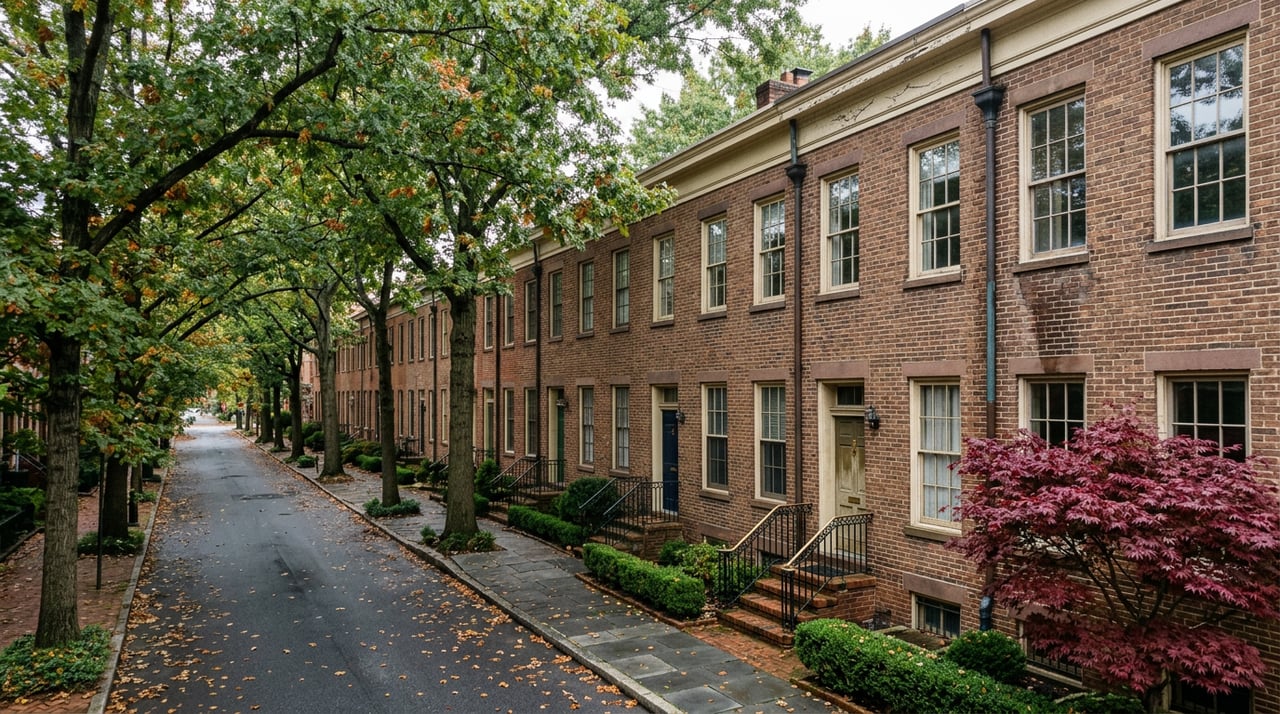
Location can shift this decision just as much as square footage. If you want to be close to transit, shopping, dining, and everyday errands, townhomes near downtown Bethesda often compete very well with larger detached homes farther from the core.
According to WMATA’s Bethesda station information, Bethesda station is on the Red Line and within walking distance of Bethesda Row shopping and the Bethesda Trolley Trail. WMATA also notes that a new south mezzanine for the future Purple Line Bethesda Station is planned for 2027.
For daily convenience, this matters. Bethesda station has bike racks, lockers, and bikeshare, while downtown Bethesda includes nearly 700 retailers and businesses and the Bethesda Circulator connects the Metro station to 8 public garages and 20 stops every 10 to 15 minutes.
If you want to reduce car dependence, live close to shops, or simplify your commute, a well-located townhome may check more boxes than a larger property farther out. If you prefer more space and do not mind relying more on a car, a detached home may feel more comfortable.
How to choose the right fit
The best choice usually comes down to your priorities, not a universal rule. In Bethesda, buyers are often deciding between land and autonomy on one hand and location and convenience on the other.
Here are four questions that can help narrow your search:
- How much yard space do you really want to maintain?
- How important is privacy and separation from shared walls?
- How much does walkability to Metro, parks, and shops matter to you?
- Are monthly HOA fees a fair trade for lower exterior upkeep?
If your answers lean toward privacy, customization, and more room, a single-family home may be the stronger match. If they lean toward easier upkeep, a smaller footprint, and access to downtown Bethesda amenities, a townhome may serve you better.
Side-by-side comparison
| Priority | Single-Family Home | Townhome |
|---|---|---|
| Privacy | More separation and no shared walls | Often shares at least one wall |
| Outdoor space | Usually more private yard space | Usually smaller private outdoor area |
| Maintenance | Owner handles more upkeep | HOA may cover some exterior tasks |
| Monthly costs | Higher purchase price in many cases | Lower price point, but may include HOA dues |
| Walkability | Depends on location | Often strong near downtown core |
| Property control | More autonomy | HOA rules may apply |
A smart Bethesda buying strategy
In a market like Bethesda, your home search works best when it reflects how you actually want to live. Looking at price, upkeep, commute patterns, and outdoor preferences together will usually give you a clearer answer than focusing on square footage alone.
If you want help weighing Bethesda single-family homes against townhomes, David Cox can help you compare neighborhoods, property types, and monthly costs so you can move forward with clarity.
FAQs
What is the main difference between Bethesda single-family homes and townhomes?
- The biggest difference is usually the tradeoff between space and privacy versus lower exterior maintenance and convenience.
Are Bethesda townhomes usually less expensive than single-family homes?
- Yes. The research shows a typical price gap between detached and attached homes, and current Bethesda townhomes also tend to list below many detached homes.
Do Bethesda townhomes usually have HOA fees?
- Many do, and HOA dues may cover items like landscaping or common-area upkeep, so you should review what is included before buying.
Is a single-family home better for outdoor space in Bethesda?
- Usually yes if you want a private yard, but Bethesda also offers strong access to parks and trails that may reduce the need for large private outdoor space.
Which Bethesda home type is better for walkability and Metro access?
- Townhomes near downtown Bethesda often have an advantage if your priority is walking access to Metro, shops, trails, and daily conveniences.