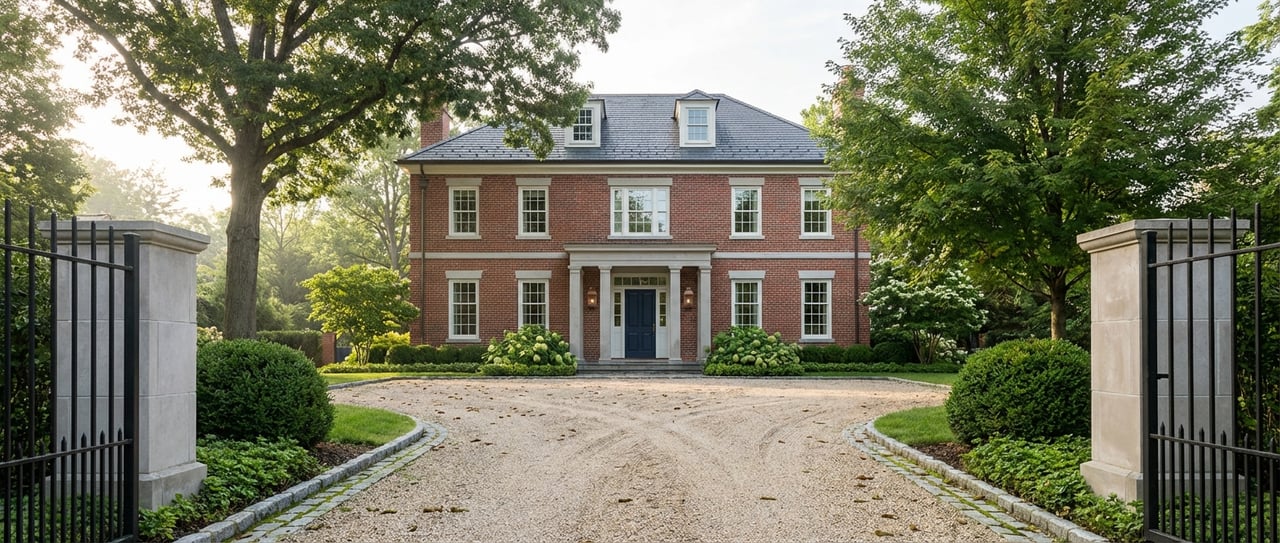
Looking for more space, privacy, and a quieter pace than the city offers, but still want to stay within reach of downtown DC? Great Falls often tops the shortlist for luxury buyers who value acreage and a refined, low‑density setting. In this guide, you’ll see current price signals, what you actually get for your money, how Great Falls compares to McLean, and the address‑level checks that protect your investment. Let’s dive in.
Great Falls luxury snapshot, 2026
Luxury in the DC metro typically refers to the top 5 percent of listings, which has hovered around 1.7 to 1.8 million dollars in 2025. Many Great Falls properties meet or exceed that benchmark, with a large share of the inventory in the upper brackets. Reported medians in late 2025 indicated a Great Falls sale median near the mid‑1 millions, while index values and list medians often read higher depending on methodology and timing. The key is to note the metric and month when you compare numbers.
Inventory across Northern Virginia expanded in 2025, giving buyers more choice than in the ultra‑tight 2020 to 2022 period. Regional statistics show double‑digit year‑over‑year inventory gains in many months, a shift that eased bidding pressure while keeping values elevated for well‑positioned homes. As a result, properly priced estate listings in desirable micro‑markets still moved, while others saw longer market times. Expect typical luxury days on market in the 40 to 75 range depending on price tier, location, and how the metric is calculated. For context on the inventory trend, review the latest NVAR market statistics.
What you get in Great Falls
Acreage and privacy
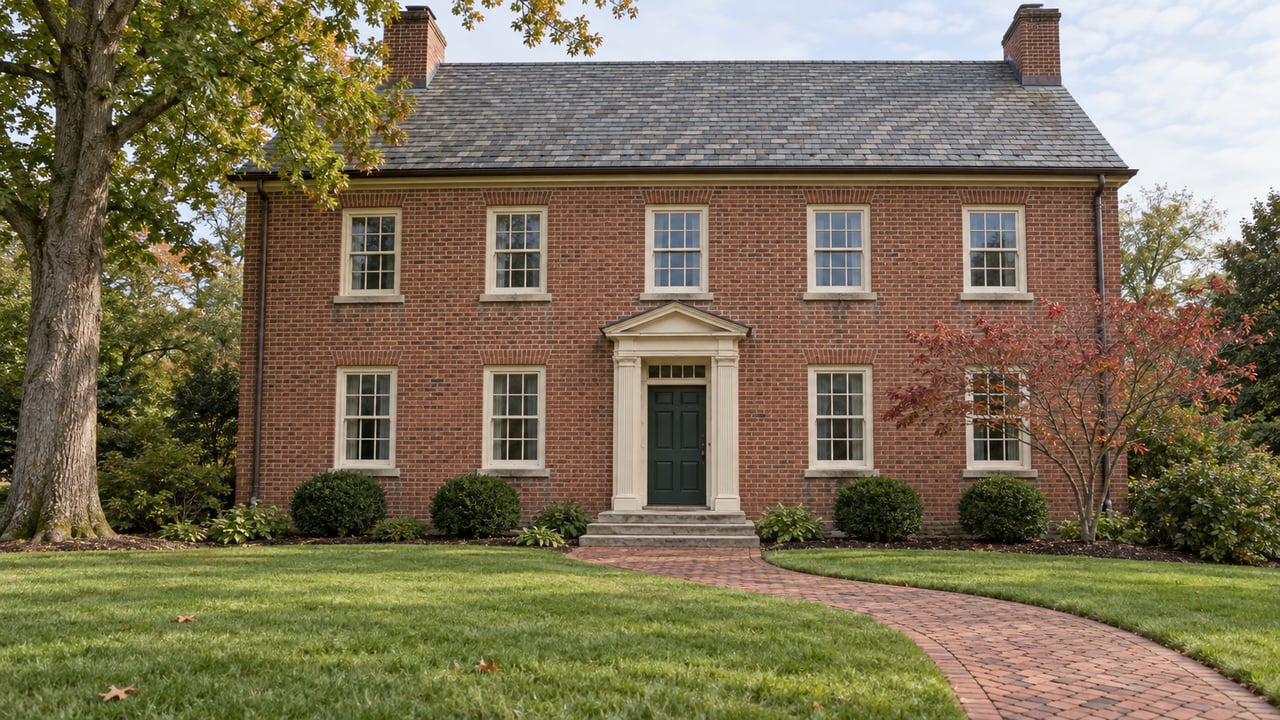
Great Falls is known for large lots and a wooded, estate‑style feel. It is common to see parcels from about half an acre up to 5 acres or more, with many custom properties on 2‑plus acres. Expect mature tree canopy, natural slopes, and occasional stream buffers that shape where you can build and how you can landscape. The setting near Great Falls Park and Riverbend adds a quiet, park‑adjacent lifestyle without dense commercial corridors.
Homes and amenities
Luxury homes in Great Falls often range from about 3,500 square feet to 12,000‑plus square feet for custom estates. Common features include multi‑car garages or carriage houses, pools and outdoor kitchens, multiple offices or guest suites, and extensive stonework and landscaping. On larger parcels, you may also find equestrian facilities or room to add them. Ultra‑premium properties exist, though they sit at the far top of the market and are not the norm.
Know the land and systems
When you shop acreage, verify the nuts and bolts early. Many properties rely on septic and well, and not every address can connect to public sewer. Use Fairfax County’s wastewater resources to understand the Approved Sewer Service Area and how to confirm a property’s connection status with the county. Start with the county’s guidance on how to connect to the public sewer system.
If you plan additions or a rebuild, ask for prior surveys, tree surveys, and any stormwater or grading approvals. Fairfax County has defined stormwater and tree‑preservation review steps that affect design, cost, and timing. A helpful overview of the county process is this guide on navigating Fairfax County’s permitting for custom homes. Private drives, long cul‑de‑sacs, and steep slopes can also raise maintenance needs, so include them in your ownership plan.
Great Falls vs. McLean: key tradeoffs
Most DC buyers compare Great Falls to McLean. Both offer high‑end housing, but they diverge on land, commute, and daily convenience. Use the matrix below as a quick filter, then test your assumptions at the address level.
| Factor | Great Falls | McLean |
|---|---|---|
| Typical luxury price feel | Mid‑1 millions to low‑2 millions with outliers well above | Similar overall bands, with ultra‑prime pockets that run very high |
| Typical lot size | About 0.5 to 5+ acres, many 2+ acre estates | Often smaller on average, many neighborhoods under 1 acre |
| Commute to downtown DC, off‑peak | About 18 miles, roughly 30 to 35 minutes | About 10 miles, roughly 20 to 25 minutes |
| Transit access | Car‑centric, no in‑town Metro station | Close to Tysons and Silver Line stations in parts of the community |
| Lifestyle notes | Quiet, wooded, estate‑style setting with more privacy | Closer to Tysons retail, services, and denser luxury nodes |
| Time on market | Luxury DOM often 40 to 75 days depending on pricing and micro‑market | Varies by micro‑market, can be shorter near top demand nodes |
For distance and drive‑time context, review sample estimates for the route from Great Falls to Washington on Travelmath. If rail access is a must, McLean’s proximity to the Silver Line is a practical advantage. If acreage and privacy are your top priorities, Great Falls usually delivers more land per dollar. On the school front, both communities are served by Fairfax County Public Schools, and many Great Falls addresses feed to the Langley High School pyramid. Fairfax County completed a boundary review for the 2026 to 2027 school year, so always confirm assignments for a specific address using the FCPS boundary resources.
Taxes and carrying costs
Great Falls is in Fairfax County, so use the county’s published real estate tax rates to model annual carrying costs at your target price. High‑value assessments plus any special district, leaf, or stormwater fees can add up, especially on larger parcels that require more upkeep. See the current county rate schedule on the Fairfax tax page, then run address‑level scenarios. Start here: Fairfax County real estate tax rates.
Your due diligence checklist
Use this list to make efficient, confident decisions.
- Price benchmarks. Pull your agent’s Bright MLS report for recent nearby sales, then compare it to at least two public indicators. Median sale figures and index values often differ from list medians, so note the date and method for each number you use.
- School assignment. Confirm address‑level school assignments with the FCPS boundary tools. Factor in the 2026 to 2027 boundary adjustments if timing overlaps your move.
- Sewer and water. Check Fairfax DPWES resources to see if the property is inside the Approved Sewer Service Area or relies on septic and well. Start with the county’s public sewer connection guidance. If septic is present, plan for inspections, reserve fields, and long‑term maintenance.
- Buildability and conservation. Ask for prior site plans, surveys, and stormwater approvals. Fairfax has defined grading, stormwater, and tree‑preservation steps that influence feasibility and timelines. For a process overview, review this guide to Fairfax County permitting for custom homes.
- Taxes and true monthly cost. Use the county’s real estate tax rates to model annual taxes at multiple assessed values. Include landscaping, private drive maintenance, pool care, and specialty services that come with acreage.
- Commute validation. Drive your route at least twice during your actual commute windows. For distance context and a quick planning baseline, see Travelmath’s Great Falls to DC estimate. If you need rail, test access to nearby Silver Line stations.
- Market timing. Inventory expanded in 2025 in Northern Virginia, which can shift leverage toward buyers. Review the latest NVAR market statistics and pair them with very recent, hyper‑local comps before you write an offer.
- Micro‑market focus. Great Falls has distinct enclaves and custom home pockets. Ask your agent for 6 to 12 months of sales for the immediate area rather than relying on town‑wide averages.
Ready to explore Great Falls?
If you want acreage, privacy, and a refined suburban lifestyle within striking distance of DC, Great Falls belongs on your tour list. The key is to verify land and systems early, price against the most recent micro‑market sales, and test your day‑to‑day routine. Our team pairs deep local knowledge with a high‑touch, data‑driven process so you can buy with confidence. Have questions or want a private tour plan tailored to your budget and timeline? Connect with David Cox to start a focused Great Falls search.
FAQs
What counts as a luxury home in Great Falls in 2026?
- In the DC metro, luxury often means the top 5 percent of listings, which has been around 1.7 to 1.8 million dollars in 2025, and many Great Falls homes meet that threshold.
Are Great Falls homes typically on public sewer or septic?
- Many properties rely on septic and well, and not every address can connect to public sewer, so use Fairfax County’s public sewer connection guidance to verify a specific property.
How does the Great Falls commute to DC compare with McLean?
- Great Falls is about 18 miles from downtown with roughly 30 to 35 minutes off‑peak, while McLean is about 10 miles with roughly 20 to 25 minutes off‑peak, based on Travelmath’s estimates.
How has Northern Virginia inventory changed and why does it matter?
- Inventory rose meaningfully in 2025, which gave buyers more options and negotiating room, though well‑priced estate homes still commanded strong interest, per NVAR market statistics.
How do school boundary changes affect a Great Falls purchase?
- Fairfax County completed a boundary review for the 2026 to 2027 year, so confirm address‑level assignments with the FCPS boundary resources during due diligence.
What recurring costs should I expect on an acreage estate in Great Falls?
- Budget for Fairfax real estate taxes, plus larger‑parcel needs like landscaping, private drive upkeep, stormwater management, and pool or equestrian care; use county tax rates to model the base bill and add maintenance line items.