If your job is in Washington, DC, but you want a little more space, character, and an easier daily routine, Alexandria is worth a close look. You get a compact, historic city with strong transit, short hops to major job centers, and plenty of ways to get around without depending on a single route. The city’s mean one-way travel time to work sits around 28 to 29 minutes, which reflects flexible options by rail, bus, bike, and car. In this guide, you’ll see which neighborhoods fit different commuter lifestyles, how to plan your door-to-desk trip, and what to know before you choose an address. Let’s dive in.
Why Alexandria works for DC commutes
Alexandria is small in land area and rich in transit, so you can reach DC job centers without long highway drives. The Blue and Yellow Metrorail lines run through the city, and the Potomac Yard Metro added a new access point in 2023 that shortened trips for many residents headed to Crystal City, Pentagon City, and downtown. The local DASH bus network connects neighborhoods to stations and runs fare-free inside Alexandria, which makes short trips simple. With multiple modes in close reach, you can pick the route that matches your schedule and destination day by day.
Two practical anchors shape most commutes. First, Alexandria’s mean one-way travel time to work is about 28 to 29 minutes, a useful benchmark when you are comparing neighborhoods and routes. Second, Alexandria’s core stations and hubs, including King Street–Old Town and Potomac Yard, give you direct access to DC and Arlington with frequent service during peak hours. If you combine rail with local buses or a short bike ride, you can keep your routine both predictable and flexible.
- According to the U.S. Census, Alexandria’s population is about 150–160k, and the city posts strong median household income compared with the region. That compact scale supports fast local connections. For context on commute time and population, see the Census QuickFacts page for Alexandria.
Choose your commuter lifestyle
Everyday life looks different in Old Town than it does in the West End. Start by deciding how you want to get to work most days, then choose the neighborhood that supports that routine.
Car-light, transit-first
This lifestyle fits if you want to walk to coffee, hop on Metro, and keep car use to a minimum.
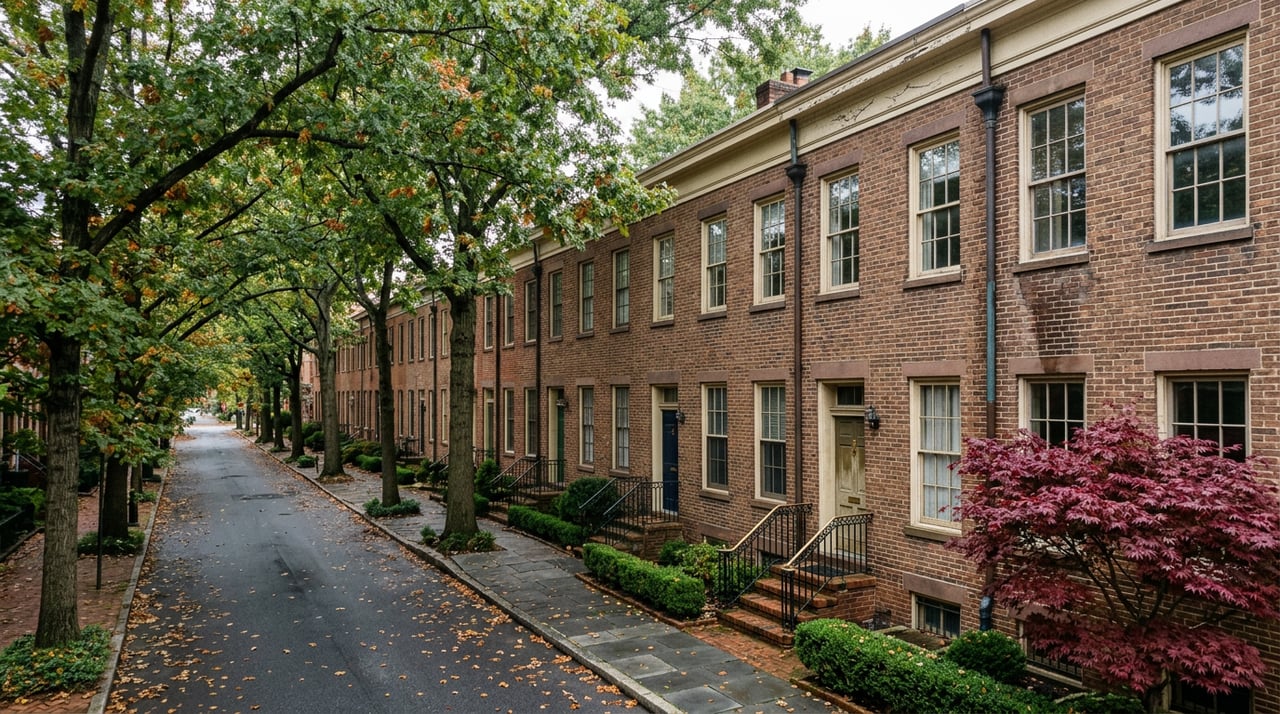
Old Town: You are near the King Street–Old Town Metro and the co-located Alexandria/Union Station. The free King Street Trolley and frequent DASH routes make short trips easy, and you can reach the waterfront, parks, and dining on foot. Housing leans toward condos, townhomes, and some historic single-family homes.
Del Ray and the Braddock Road corridor: Mount Vernon Avenue offers neighborhood-scale retail, dining, and services. Braddock Road Metro sits close by, and sidewalks help you connect to stations on foot or by bike. Walk Score data highlights the area’s strong walkability.
Potomac Yard and nearby North Old Town: Newer, mixed-use buildings cluster around the Potomac Yard station. Sidewalks, bikeways, and nearby retail support a car-light routine, with quick trips to National Landing and DC.
Typical commute: One-seat rides on the Blue or Yellow lines to Pentagon, Crystal City, or L’Enfant Plaza. For downtown DC, stay on Yellow to L’Enfant and transfer if needed, or ride Blue toward Metro Center with a transfer.
Transit + car hybrid
This fits if you want modern buildings, quick highway access, and an easy handoff to Metro for DC trips.
- Carlyle and Eisenhower East: A planned district with newer apartments and condos, close to the Beltway and to Blue/Yellow line stations. You can drive to regional errands quickly, then use rail for predictable trips into DC or Arlington.
Typical commute: Walk or bike to King Street–Old Town or Eisenhower Avenue stations, or use DASH to connect. For cross-region commutes, you have fast access to I-495 and the GW Parkway.
Space-first, car-required
This suits you if you want more square footage and accept more driving for errands or commuting.
- West End, Seminary Hill, Landmark, and Van Dorn: These areas include more single-family streets and garden-style complexes. Transit exists, but many households plan on driving or using an express bus. Prices often compare favorably with central neighborhoods that sit closer to Metro.
Typical commute: Drive and park near a Blue/Yellow line station, use an express bus, or drive into DC if your office has parking. Residential permit rules apply in many blocks near the core, so plan ahead if you keep a car.
Getting to DC: your options
Metrorail: Blue and Yellow lines
The Blue and Yellow lines are the backbone for many DC-bound residents. Core stations include King Street–Old Town, Braddock Road, Eisenhower Avenue, Huntington, and the Potomac Yard infill station that opened in 2023. From these platforms, you reach the Pentagon, Crystal City, L’Enfant Plaza, and downtown transfer points with frequent service during rush hours.
King Street–Old Town is a major multimodal hub, co-located with VRE and Amtrak at Alexandria/Union Station. This gives you multiple paths into the District and an easy backup if a rail line has weekend work.
The Potomac Yard station improves access to National Landing and helps shorten trips for many residents in the north.
VRE and occasional Amtrak
If your office is near Union Station or you want a seat for the ride, VRE is a helpful alternative. Trains on the Fredericksburg and Manassas lines stop at Alexandria/Union Station, which sits next to King Street–Old Town Metro. Amtrak also serves the station for intercity trips. Check VRE schedules and usage guidelines to see if the timetable works for your hours.
Buses and the last mile
DASH is Alexandria’s local bus system, and it operates fare-free inside the city. Routes connect neighborhoods to Metro stations and to key retail and civic destinations. The free King Street Trolley links the King Street Metro with the waterfront, which smooths last-mile trips in Old Town.
For service between Potomac Yard, Crystal City, and Pentagon City, the region coordinates bus service, including Metroway in the corridor. When the Potomac Yard station opened in 2023, the city adjusted routes to align with the new rail option. If your commute runs through this corridor, confirm current schedules and stop patterns as you plan.
Bike and micromobility
Alexandria participates in Capital Bikeshare, which gives you point-to-point rides across the region on classic bikes and e-bikes. The Mount Vernon Trail runs along the Potomac and connects you to Arlington and DC with a scenic, mostly separated route. Many commuters bike all the way in good weather or combine a short ride with Metro.
Water taxi in fair weather
Seasonal water taxis operate from the Old Town waterfront to destinations like The Wharf and National Harbor. Most residents use them for leisure, but on nice days they can be a relaxing alternative for select office locations. Always check current schedules, as service is seasonal and weather dependent.
Commute-planning checklist
Identify your primary destination. If you work near the Pentagon, Crystal City, or L’Enfant Plaza, the Blue and Yellow lines offer direct rides. For Union Station or the Capitol complex, VRE to Union Station or a Metro transfer at L’Enfant can be efficient.
Test your last mile. From a listing address, map the walk to the nearest Metro station, confirm a frequent DASH route, and check for a nearby bikeshare dock. If you plan to use the King Street Trolley, time the trip from the platform to the waterfront.
Understand parking rules. Alexandria has residential permit zones with specific rules for residents and guests. If you expect to keep a car, verify whether you have on-site parking, a garage option, or a nearby monthly lot.
Budget for passes and fares. Metro rail fares are distance-based and buses are flat fare, with SmarTrip and contactless payments accepted. Many employers offer pre-tax commuter benefits, which can lower your monthly cost. Remember that DASH rides within Alexandria are fare-free, which keeps short errands inexpensive.
Watch for service alerts. Metro sometimes adjusts schedules for maintenance, and bus routes can shift with new stations or projects. Check official alert pages during your home search to see how your line is performing now.
Housing and budget notes
Prices vary widely by neighborhood and housing type across Alexandria. Central, highly walkable areas near Metro stations often command higher prices, while parts of the West End and Landmark area tend to offer more space per dollar. If you are comparing rent versus buy, walkability and parking can be as important as square footage when you plan your monthly budget.
When building your estimate, include both transportation and housing costs. Compare monthly parking near your home and office to a Metro or VRE pass. Add in incidentals like bikeshare memberships and occasional ride-hails for late nights or bad weather. A balanced plan will help you choose a neighborhood that fits your lifestyle and your budget.
Sample commute scenarios
Old Town to L’Enfant Plaza: Walk or take the King Street Trolley to King Street–Old Town, ride Yellow to L’Enfant, and walk to your office. If you need a seat and end in the Union Station area, take VRE instead.
Del Ray to Pentagon: Walk or bike to Braddock Road, ride Yellow one stop to Pentagon. On weekends, check for maintenance that may require a transfer.
Potomac Yard to Crystal City: Walk to Potomac Yard station and ride one stop north, or take a short bike ride via local trails. For off-peak trips, consider DASH or Metroway in the corridor.
West End to downtown DC: Drive to a Metro station with parking, then take Blue or Yellow inbound. If you have employer parking in DC, weigh the time and cost tradeoff of driving the full way.
What to watch for
Service changes: When the Potomac Yard station opened, the region adjusted schedules to integrate the new stop. Metro also plans periodic maintenance that can affect the Blue and Yellow lines. Always verify current operations before you lock in a routine.
Parking and permits: Residential permit rules vary by block and district, with specific processes for guests. If street parking is tight near your home, consider a building with garage options or budget for a monthly lot.
Ready to compare neighborhoods?
If you want a walk-to-everything routine and short rail rides, focus on Old Town, Del Ray, Braddock Road, and Potomac Yard. If you prefer newer high-rises with quick highway access, look at Carlyle and Eisenhower East. If your priority is size and value, explore West End, Seminary Hill, Landmark, and Van Dorn, and plan a hybrid commute with park-and-ride or express bus options.
You do not have to map this out alone. For help matching an address to your commute, budget, and timeline, reach out to David Cox for neighborhood guidance, route planning tips, and a smooth home search. Connect with David at David Cox to get started.
FAQs
Is Alexandria a good place to live if you work in DC?
- Yes, Alexandria’s Blue and Yellow Metrorail service, VRE at Alexandria/Union Station, and fare-free DASH buses make DC commutes flexible and relatively quick for many residents.
Which Alexandria neighborhoods are most walkable to Metro for DC commutes?
- Old Town, Del Ray near Braddock Road, and Potomac Yard cluster close to stations, with sidewalks, bikeshare access, and frequent local bus connections.
How long is the average commute from Alexandria to DC?
- The city’s mean one-way travel time is roughly 28 to 29 minutes, though your actual time depends on your starting point, line choice, and final destination.
Are local buses in Alexandria free for commuters?
- Yes, DASH operates fare-free within Alexandria, which lowers last-mile costs and simplifies short trips to and from Metro stations.
Can I bike from Alexandria to DC for work?
- Many commuters ride the Mount Vernon Trail along the Potomac or use Capital Bikeshare for a full ride or a quick connection to Metrorail.