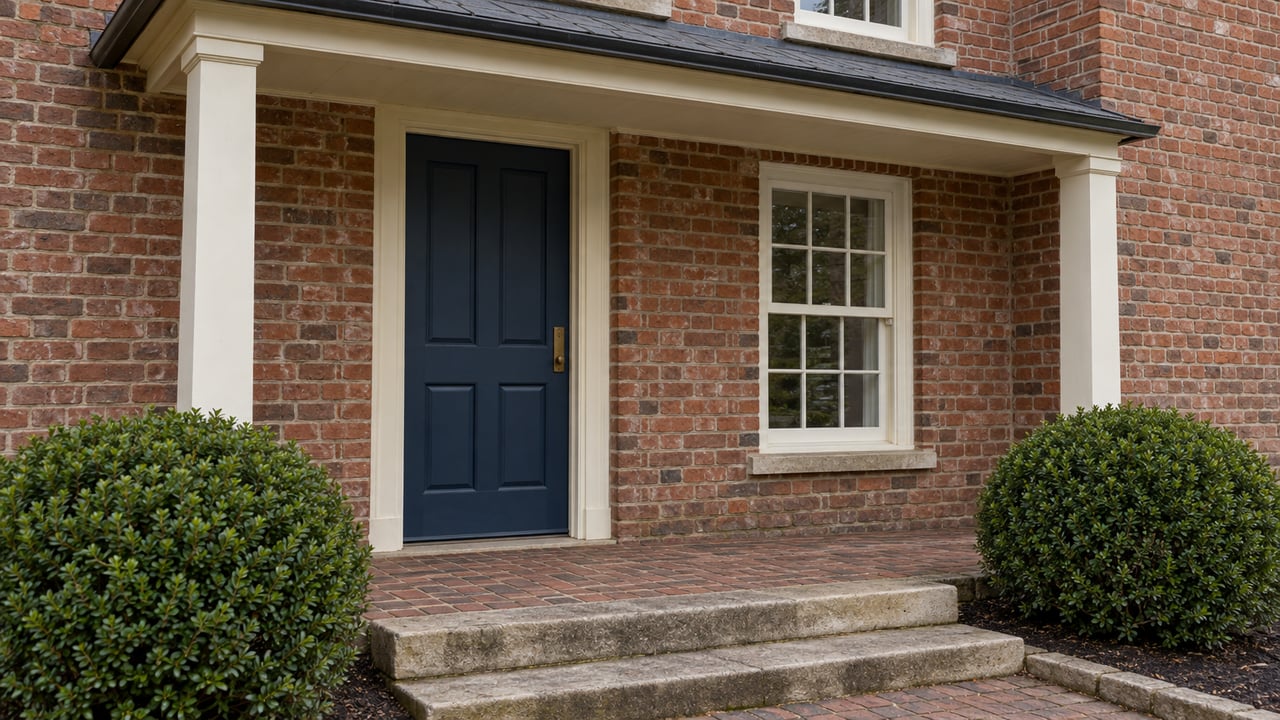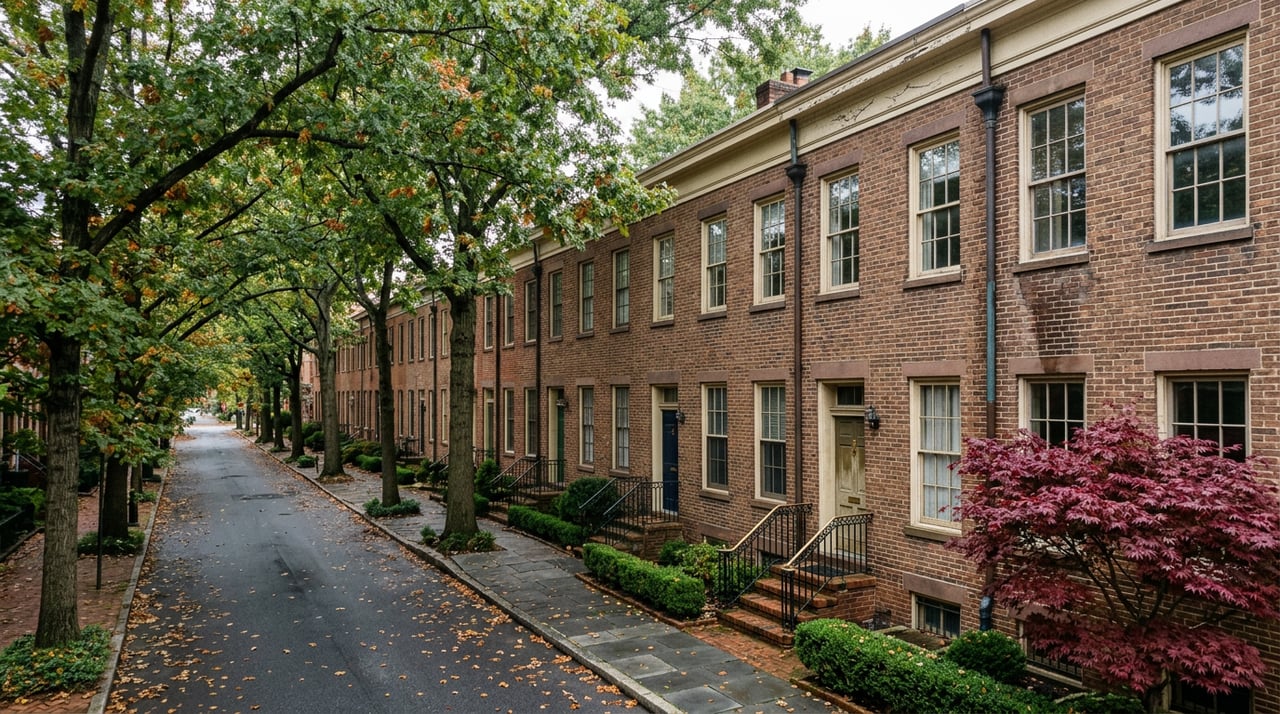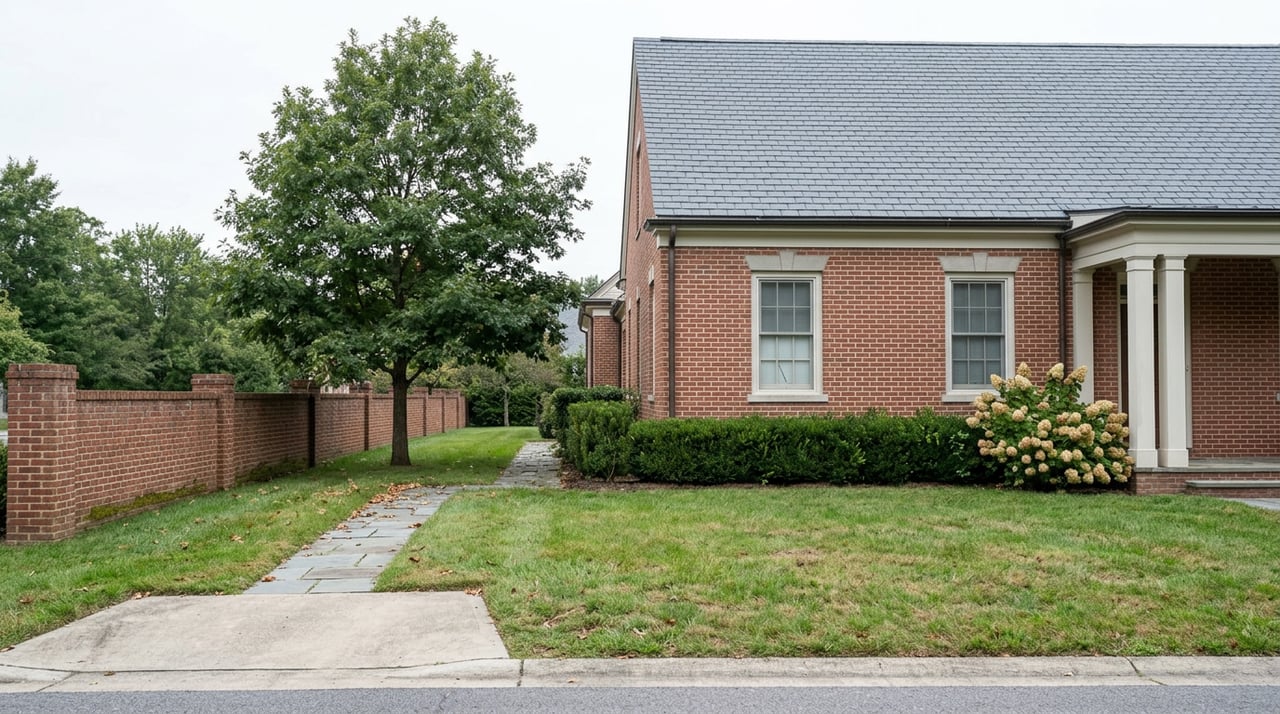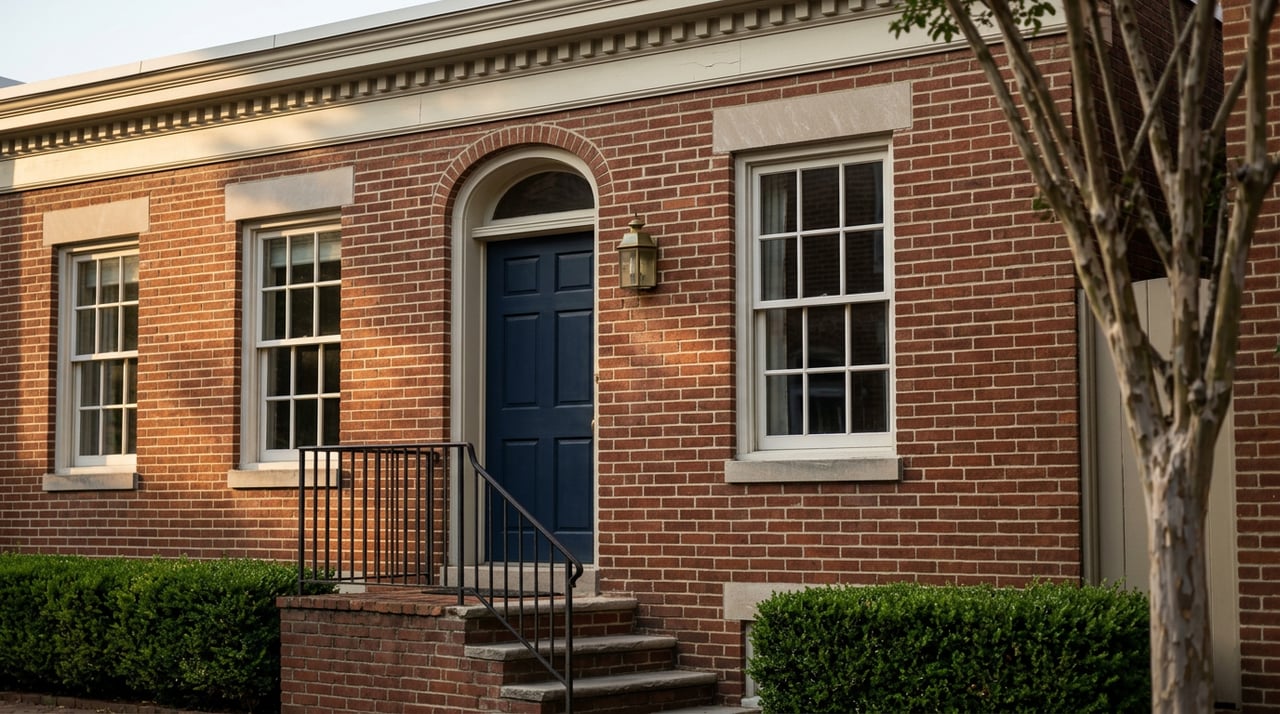
If you buy a rowhouse in Old Town Alexandria planning to add a rooftop deck, swap out the sash windows, or run an EV charger to the curb, the first call isn't to a contractor. It's to the city's Board of Architectural Review, because none of that work gets a building permit until BAR signs off first. The city will not review a permit application for exterior work until the Certificate of Appropriateness is already in hand. That part hasn't changed in decades.
What has changed, this month, is the rulebook BAR uses to decide what gets approved. On August 19, city preservation planners walked a packed room at the Nannie J. Lee Community Center through the first major rewrite of Alexandria's historic design guidelines in years. The draft chapters are open for public comment only through September 2. Anyone timing a renovation, or a listing that depends on one, around "the current rules" is aiming at a target that's about to move.
What Actually Gates the Permit
Two local historic districts sit inside Alexandria: the Old and Historic Alexandria District and the Parker-Gray Historic District. Inside either one, any exterior alteration or new construction visible from a public way needs sign-off from BAR before the city's building permit office will touch the application. Demolition or capsulation of more than 25 square feet of material needs a separate Permit to Demolish, regardless of whether it's visible from the street. Interior work is exempt.
Not every project waits the same length of time. Small, well-documented items that meet the city's administrative criteria, things like in-kind repairs or replacements matching the original design, can be approved by staff without a public hearing. Anything larger, a new addition, a street-facing window replacement, a demolition, goes to a full BAR hearing, which meets the first and third Wednesday of every month except August.
| Review track | What it covers | Typical timeline |
|---|---|---|
| Administrative approval | Ordinary maintenance, in-kind repairs, minor documented alterations | Often under 5 business days once the file is complete |
| Full BAR hearing | Additions, new construction, demolitions, major exterior changes | Roughly 4 to 8 weeks from a complete application to a decision, sometimes closer to two months with deferrals |
That gap between five days and two months is the whole reason timing a renovation in Old Town takes planning most buyers don't expect to need before they've even closed.
The Draft That Closes September 2
The rules that sort a project into one of those two tracks are the ones currently being rewritten. At the August 19 meeting, Historic Preservation Division planner Brendan Harris presented interim drafts alongside principal planner Julie Weisgerber and preservation architect Bill Conkey, covering updates across 11 chapters that govern both the Old and Historic Alexandria District and Parker-Gray. The changes on the table include clearer treatment for electric vehicle chargers, security systems, and exterior lighting, some of which could move toward administrative approval rather than a full hearing. The draft also proposes distinguishing "street-facing" from "non-street-facing" elevations more explicitly, aiming to cut down on the confusion that currently sends borderline projects to a hearing they didn't need.
One change worth sitting with: the draft would classify buildings by age, with "early" meaning built before 1932 and "later" meaning built after 1931, and apply different levels of review accordingly. That two-tier age system already exists in Parker-Gray's current guidelines. The committee has also said a broader goal of the rewrite is bringing Parker-Gray and Old Town standards closer together, so the two districts' rulebooks may end up reading a lot more alike than they do now. Two owners planning the same rooftop deck on the same block could still land in different review tracks simply depending on which side of adoption their application falls.
This is a multiyear effort by the BAR Design Guidelines Committee, and August 19 was a working session, not a vote. But the comment window closing September 2 is the point where public input still shapes the final language before it heads toward adoption.
The Trap Outside the District Lines
Old Town and Parker-Gray aren't the only properties BAR touches. The city also maintains a separate list of buildings designated by ordinance as One Hundred-Year-Old Buildings, and these fall under BAR review even when they sit outside both historic district boundaries. Not every century-old building in Alexandria carries this designation, and the boundaries of the local historic districts don't match the separate National Register historic districts either, so an address search alone won't tell you where you stand.
The only reliable way to check is the city's Historic Preservation Map viewer, or a direct call to Preservation staff. A buyer who assumes "not in Old Town, so no board to answer to" can be wrong in a way that doesn't show up until the exterior renovation they'd already budgeted for needs a Certificate of Appropriateness they didn't know to ask about.
What This Means If You're Renovating This Fall
A few things worth doing before a renovation timeline gets written into a purchase contract or a pre-listing scope of work:
- Check the Historic Preservation Map viewer for the property before assuming it's outside BAR's reach, whether or not it's in Old Town proper.
- Ask Preservation staff for a pre-application or concept review before filing formally. It's the fastest way to learn whether a project will land on the administrative track or the hearing track under either the current guidelines or the draft ones.
- If the project includes an EV charger, exterior lighting, or a security system, ask specifically whether that item is likely to shift categories once the new guidelines adopt. Filing before adoption locks in a known process. Filing after could mean a faster path, assuming the relevant provision survives from draft to final language.
- Remember that exterior paint itself doesn't need approval in most cases. The exception is painting previously unpainted masonry, which does.
None of this changes the fact that a Certificate of Appropriateness comes before a building permit, not after. What's shifting is which projects need the long version of that process and which ones don't, and that's exactly the kind of detail that turns a six-week renovation estimate into a ten-week one, or the other way around.
Questions worth asking before you file
Does exterior paint need BAR approval in Old Town? Generally no. The exception is painting previously unpainted masonry, which does require review.
How do I find out if my property is a designated One Hundred-Year-Old Building even though it's not in Old Town? Check the city's Historic Preservation Map viewer, or contact Preservation staff directly. The designation isn't obvious from an address alone.
When does BAR meet, and does that affect my timeline? Public hearings happen the first and third Wednesday of each month, with no meetings in August. A hearing-track application generally needs to be complete roughly a month ahead of the docket date it's targeting.
Is the September 2 comment period the last chance to weigh in? It's the close of the current public comment window on the draft chapters. The guidelines still have to move through the BAR Design Guidelines Committee process before formal adoption, so the substance of the changes could shift further before that happens.
Renovation timelines in Old Town have always required patience. What's different this fall is that the rules setting those timelines are themselves in motion, and the difference between filing in August and filing in November could land a nearly identical project in two different review tracks. If you're weighing a purchase that hinges on renovation potential, or trying to time a listing around work you'd rather finish first, that's a conversation worth having before the contract, not after the BAR docket comes back.
Cox & Cox Group — Contact Us. Let's Solve Your Home Needs.