Finding the right home in Logan Circle often comes down to one big question: do you want the character and vertical living of a historic rowhouse, or the simpler, more open feel of a loft-style home? If you are drawn to this part of Washington, DC, you are probably balancing walkability, architecture, lifestyle, and long-term upkeep all at once. This guide will help you compare the two main paths so you can buy with more clarity and fewer surprises. Let’s dive in.
Why Logan Circle Feels Different
Logan Circle is best understood as a circle-centered urban district rather than a neighborhood with fixed official borders. DC notes that neighborhoods do not have official boundaries, which matters when you are reviewing listings that may describe the area a little differently.
What gives Logan Circle its identity is its historic fabric and its urban setting. The National Park Service describes Logan Circle as the only circle park in Washington, DC, that still retains the residential character originally intended by Pierre L'Enfant, and the DC Office of Planning says the Logan Circle Historic District was designated in 1972 with a period of significance from 1875 to 1900.
That history shapes what you see on the street today. Planning documents describe the surrounding 14th Street corridor as a mix of large historic mansions, rowhouses, high-rise apartment buildings, lofts, and apartments, creating a setting where older and newer housing types sit close together.
Logan Circle Market Snapshot
If you are setting a budget, it helps to know that Logan Circle is generally viewed as a high-price urban neighborhood. Public market trackers show different numbers depending on whether they measure closed sales or active listings, so it is smart to treat these figures as broad context rather than pricing for any one property.
Redfin reported a March 2026 median sale price of $825,000, down 7.3% year over year. Realtor.com showed a current median list price of $700,000, a median price per square foot of $662, and a typical market time of 35 days.
For you as a buyer, the takeaway is simple: pricing can vary a lot based on property type, condition, building format, and exact location within the area. A rowhouse and a loft-style condo at similar price points may offer very different space, privacy, and maintenance needs.
Rowhouses vs Lofts
Historic rowhouses
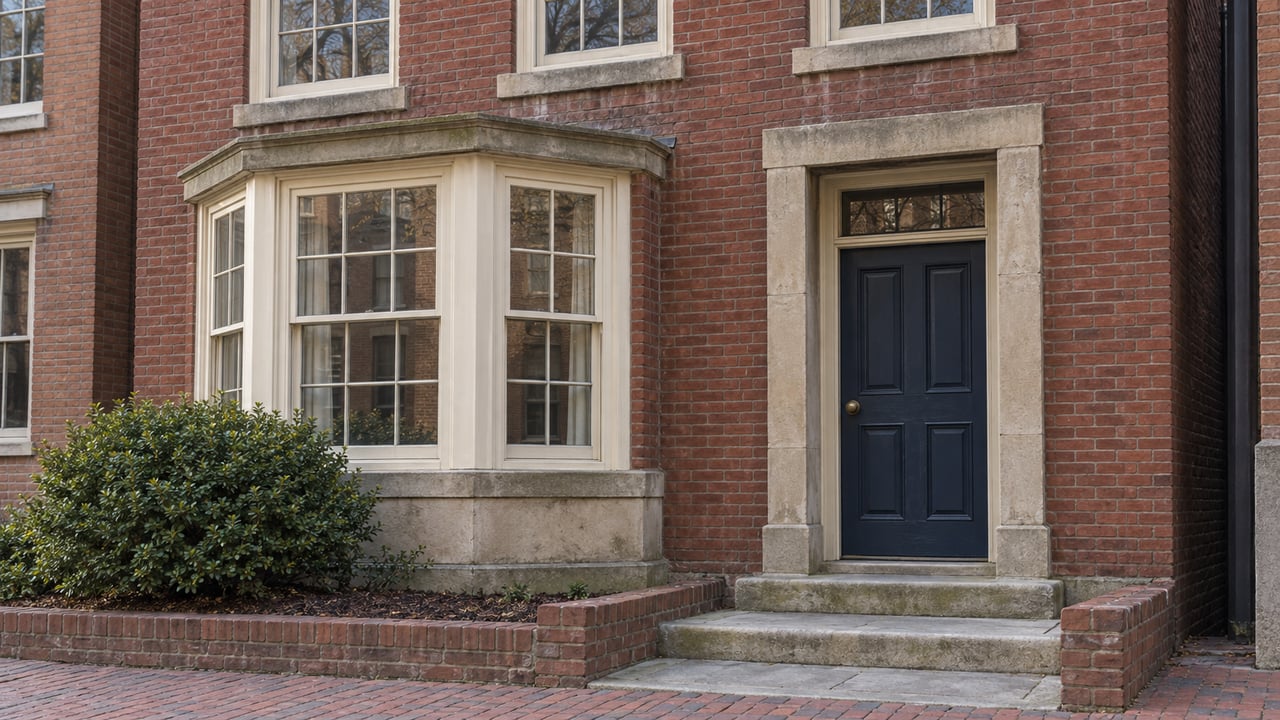
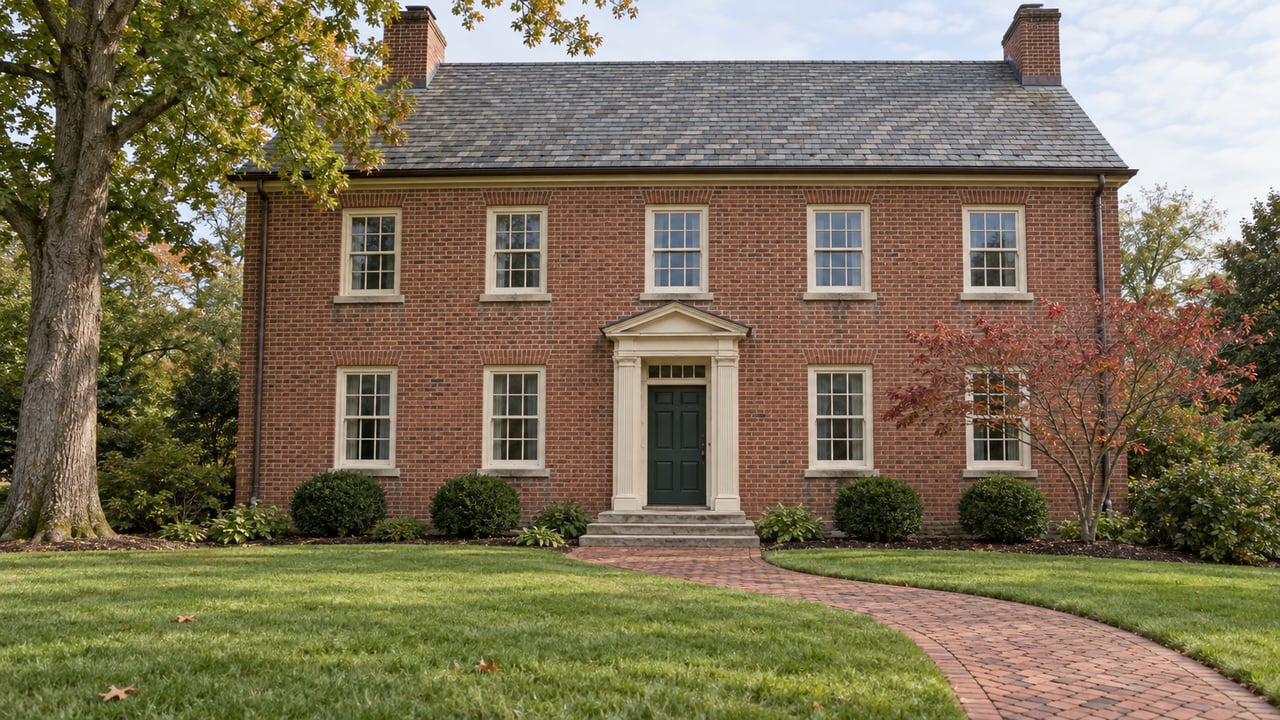
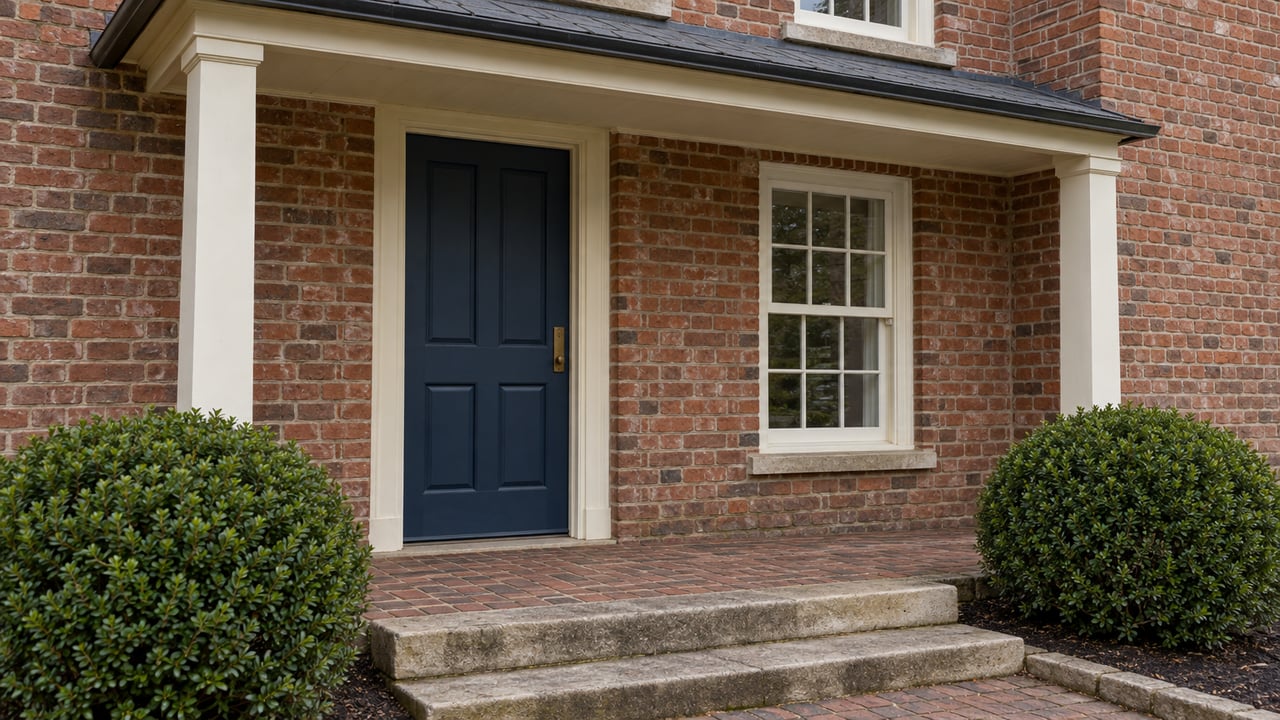
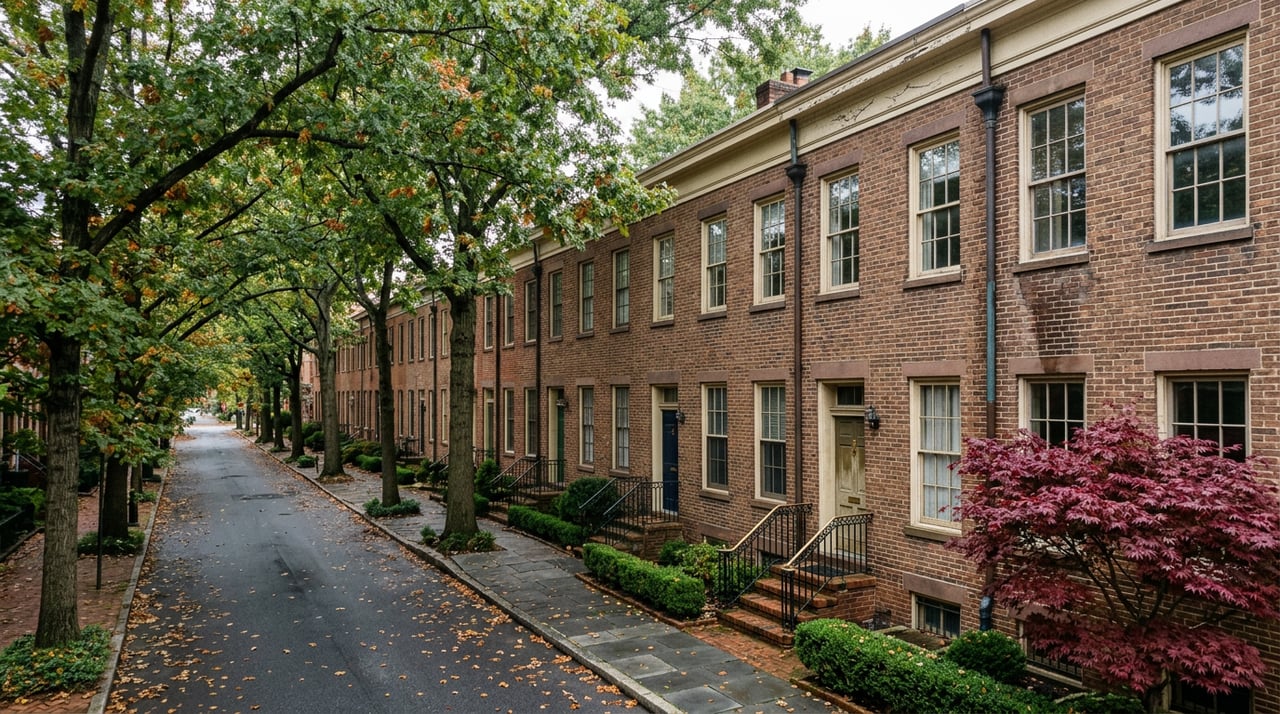
The Logan Circle Historic District is defined in large part by its rowhouses. According to the historic district nomination, most contributing buildings are rowhouses that are usually 3 to 3.5 stories tall, built primarily of brick with stone trim, and often set slightly back from the sidewalk behind small yards and iron fences.
Architecturally, Second Empire and Richardson-inspired Romanesque styles are common. For you, that often means original character, a more traditional floor plan, and the feeling of living in a home that reflects the neighborhood’s late-19th-century identity.
Loft-style homes
Loft-style homes in and around Logan Circle sit within a broader mixed-density corridor. DC planning documents describe the area as one where additional lofts and apartments were encouraged between Thomas Circle and U Street, especially as the former auto row evolved into an arts, restaurant, and loft district.
In practical terms, loft-style homes may offer more open layouts and a more contained ownership format than a rowhouse. They are part of a wider multifamily environment rather than a single-purpose condo zone, so building style and daily living experience can vary from one property to the next.
The real buyer tradeoff
The biggest decision is not just old versus new. It is whether you prefer a classic attached historic home with more architectural detail and more systems to monitor, or a multifamily home with a potentially simpler layout and shared building structure.
That tradeoff matters in Logan Circle because protected historic fabric and newer residential projects exist side by side. Two homes with a similar asking price can feel completely different once you compare storage, privacy, stairs, outdoor space, and future upkeep.
What To Check In A Rowhouse
A Logan Circle rowhouse can be beautiful, but it asks you to look carefully at condition and livability. Older homes may have charm in abundance, yet they also reward buyers who pay attention to the practical details.
Start with the basics required under DC housing standards. The Department of Buildings enforces minimum standards related to light, ventilation, space, heating, sanitation, and safety, so you should pay close attention to how the home actually lives from front to back.
When touring a rowhouse, focus on:
- How much daylight reaches the middle and rear rooms
- Whether air moves well through the floor plan
- The condition of windows, masonry, and roof areas
- Signs of moisture around walls, ceilings, and lower levels
- The layout impact of stairs across multiple floors
- How much usable storage the home really offers
DC housing standards also require exterior and foundation walls to be maintained in good repair. Exterior wood surfaces such as doors, trim, window frames, and fences must also be protected, which is one reason inspections matter so much with older attached homes.
What To Check In A Loft Or Condo
If you are considering a loft-style home or condo, your checklist changes a bit. The focus often shifts from individual exterior upkeep to interior function, building operations, and association health.
Natural light still matters. In Logan Circle, where layouts can vary widely, you should test how much light reaches interior living areas and how comfortable the overall floor plan feels during the day.
You should also review the condominium documents carefully. Under DC law, the seller must obtain and provide the condominium instruments and a certificate by the 10th business day after contract execution, and that package must include important information such as:
- Reserve information
- The association’s most recent financial statement
- The operating budget
- Pending suits or judgments
- Insurance coverage
- Statements about prior alterations
- Any leasehold term, if applicable
After you receive those documents, you have a 3-business-day cancellation window. That makes prompt review especially important if you are buying in a condo or condo-conversion building.
Another practical point is assessments. Under DC law, unpaid assessments can become a lien against the unit, and an owner or purchaser may request a statement of unpaid assessments. That is a key due diligence item before you move forward.
Light, Layout, And Outdoor Space
In Logan Circle, layout and outdoor space can change your daily experience just as much as square footage. This is especially true when you are comparing historic rowhouses, basement units, and loft-style homes in larger buildings.
Many rowhouses in the historic district sit behind small yards, according to the historic district nomination. So even when a home feels large inside, the private outdoor space may be more limited than you expect.
That means you should ask yourself a few simple lifestyle questions:
- Do you want private outdoor space, even if it is modest?
- Are you comfortable with a vertically stacked layout?
- Would you rather have open interior volume than multiple floors?
- How important is private storage?
- Do shared systems feel like a benefit or a tradeoff for you?
In day-to-day terms, Logan Circle often asks buyers to choose between compact efficiency and historic character. Neither option is better for everyone, but one is usually a much better fit for your routine.
Historic Review Matters
If you love the look of Logan Circle, it is important to understand that preserving that look can affect future renovation plans. The DC Historic Preservation Office says some minor work on historic properties may qualify for expedited review, but larger or more visible changes can require Historic Preservation Review Board review.
Projects that generally require review include:
- Major additions
- Front or side additions
- Large rear additions
- Roof additions
- Roof decks visible from the street
- Front alterations
- New or significantly altered window or door openings
- New curb cuts or parking pads
Routine interior alterations are not subject to preservation review, and some ordinary exterior maintenance is exempt. If you are buying with plans to change a porch, add a visible roof deck, or alter access points, that should be part of your decision before you make an offer.
How To Choose The Right Fit
For many buyers, the best Logan Circle decision comes down to how you want to live, not just what looks best online. A rowhouse may appeal to you if you value historic detail, separation of spaces, and the feel of a classic DC home. A loft or condo may suit you better if you prefer a more streamlined ownership experience and a layout that feels more open.
It also helps to think about your next few years, not just move-in day. If low-maintenance living matters most, a multifamily option may feel more manageable. If architectural character and house-style living are worth the added responsibility, a rowhouse may be the better long-term match.
The key is to compare each home through the lens of light, layout, outdoor space, condition, and ownership obligations. In Logan Circle, those factors often tell you more than headline square footage ever will.
If you want help sorting through Logan Circle lofts, condos, and historic rowhouses, David Cox can help you compare the real-world tradeoffs and move forward with confidence.
FAQs
What types of homes are common in Logan Circle?
- Logan Circle is known for historic rowhouses, and planning documents also describe the nearby 14th Street corridor as including lofts, apartments, and other multifamily housing.
What should buyers know about historic rowhouses in Logan Circle?
- Many historic Logan Circle rowhouses are 3 to 3.5 stories tall, built primarily of brick with stone trim, and may include small front yards and iron fences, so buyers should weigh character against stairs, upkeep, and limited outdoor space.
What should condo buyers review in Logan Circle?
- In a condo or condo-conversion purchase, buyers should review the condominium documents, including reserves, budget, financial statements, insurance coverage, pending suits or judgments, and any unpaid assessments.
Can buyers add a roof deck to a Logan Circle home?
- A roof deck that is visible from the street is the kind of change that can require historic preservation review in DC, so buyers should investigate that before planning renovations.
Why does natural light matter in Logan Circle homes?
- Because buyers may be comparing older rowhouses, basement units, and deeper floor plans with loft-style homes, it is important to test how much daylight reaches the middle and rear of the home and how well air moves through the space.